Edan X10 Patient Monitor
UGX 5,648,745
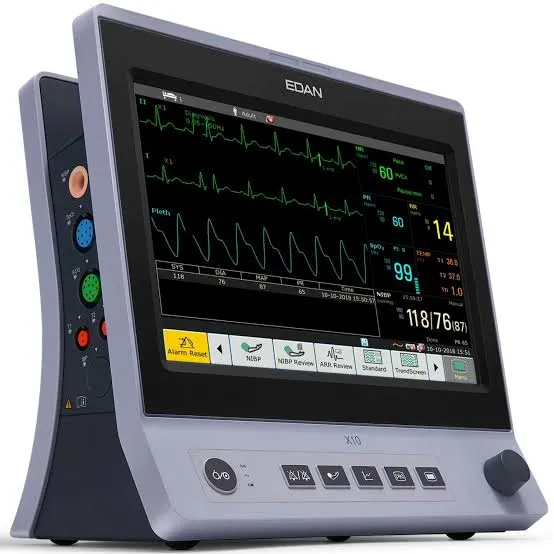
Inquire on WhatsAppThe Edan X10 Patient Monitor is designed for modern clinical environments where continuous monitoring and rapid clinical response matter. It combines a compact design with dependable multi-parameter tracking, making it suitable for critical care and general ward use alike.
Overview
This monitor is a practical choice for facilities that need accurate, real-time patient surveillance without sacrificing space or usability. Its touchscreen interface and broad clinical applications make it a strong option for busy hospitals and specialty units.
Why It Is Valuable
- It supports continuous monitoring for high-acuity patients.
- The touchscreen design makes it easier to navigate and review key clinical data quickly.
- It is suitable for a range of settings, from ICU to general inpatient care.
Key Technical Specifications
- Display: 10.1-inch high-resolution color TFT touchscreen interface
- Applications: Intensive Care Units (ICU), Operating Rooms, Emergency Departments, and General Wards
- Battery Life: Up to 4+ hours of continuous physiological tracking
Best Use Cases
The X10 is commonly used in intensive care, emergency departments, operating rooms, and general wards where reliable monitoring is essential. It is especially useful when staff need a monitor that is easy to use and can support rapid clinical decisions.
Who Should Consider It
This monitor suits:
- Hospitals upgrading monitoring infrastructure
- Emergency and critical care departments
- Surgical and post-operative units
- Facilities looking for a compact yet capable patient monitor
Buying Considerations
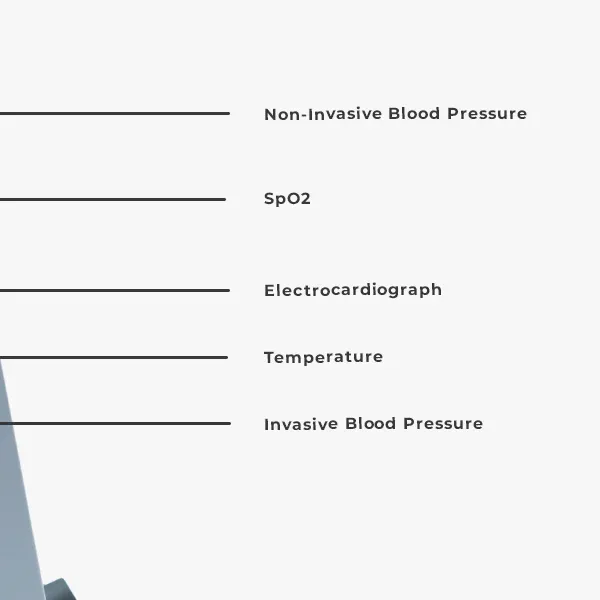
When purchasing, check the supported parameters, alarm settings, compatibility with your hospital systems, and availability of consumables and service support. A monitor is most valuable when it fits your patient volume and your workflow requirements.
Frequently Asked Questions
Is the Edan X10 suitable for ICU use?
Yes, it is designed for high-acuity environments and continuous monitoring.
Is it suitable for general wards?
Yes, its versatility makes it appropriate for both critical care and routine inpatient observation.